

Latest Textile Design Trends: A Fresh Look at Fabric Innovation
In the ever-evolving world of fashion, textile design stands as a vibrant canvas where creativity meets technology. Today, the industry pulses with fresh energy, weaving together tradition and innovation in ways that captivate and inspire. From eco-conscious materials to bold patterns that tell stories, the latest textile design trends invite us to explore textures and colors that speak to the soul of modern style. Let’s dive into this colorful tapestry and discover what’s shaping the future of fabric.
Embracing Sustainability: The Green Revolution in Textiles
Sustainability is no longer a buzzword; it’s a movement reshaping how textiles are created and consumed. Designers and brands are increasingly turning to organic fibers, recycled materials, and low-impact dyes to reduce environmental footprints. Imagine soft bamboo fabrics, luxurious organic cotton, and recycled polyester that feel as good as they look.
Organic fibers: Grown without harmful pesticides, these fibers support healthier ecosystems.
Recycled textiles: Old garments and plastic bottles find new life as stylish fabrics.
Natural dyes: Extracted from plants and minerals, these dyes offer rich, earthy tones without toxic chemicals.
This shift not only benefits the planet but also adds a unique story to each fabric. The tactile experience of sustainable textiles often carries a subtle, natural charm that synthetic materials can’t replicate. For fashion designers, incorporating these materials means aligning with consumer values and standing out in a crowded market.

Latest Textile Design Trends: Patterns and Prints That Speak Volumes
Patterns are the heartbeat of textile design, and today’s trends are all about bold expression and cultural fusion. From oversized florals to geometric abstractions, prints are becoming more than decoration—they’re storytelling tools.
Maximalist florals: Think large, vibrant blooms that burst with color and life.
Ethnic motifs: Traditional patterns from around the world are reimagined with modern twists.
Digital prints: High-resolution designs allow for intricate details and photorealistic effects.
These trends invite designers to experiment with scale and color, creating textiles that command attention. The use of digital printing technology has expanded possibilities, enabling rapid prototyping and customization. This means fashion brands can respond quickly to market demands and offer unique, limited-edition fabrics.

The Rise of Smart Textiles: Where Fabric Meets Technology
Innovation in textile design is not just about aesthetics; it’s about functionality too. Smart textiles are transforming garments into interactive experiences. These fabrics can regulate temperature, monitor health, or even change color based on environmental conditions.
Temperature-regulating fabrics: Perfect for activewear, these materials keep the wearer comfortable in varying climates.
Wearable sensors: Embedded in textiles, they track biometric data for health and fitness.
Color-changing textiles: Using thermochromic or photochromic dyes, fabrics respond dynamically to heat or light.
For fashion designers, smart textiles open new avenues for creativity and utility. Imagine a jacket that adapts to the weather or a dress that shifts hues as you move through different lighting. These innovations not only enhance user experience but also position brands at the cutting edge of technology and style.
Texture and Tactility: The Sensory Dimension of Fabric
Texture is the silent language of textiles, inviting touch and evoking emotion. The latest trends emphasize tactile richness, blending traditional techniques with modern materials to create fabrics that feel as intriguing as they look.
3D textures: Raised patterns and sculptural weaves add depth and dimension.
Mixed materials: Combining silk with wool or cotton with metallic threads creates unexpected contrasts.
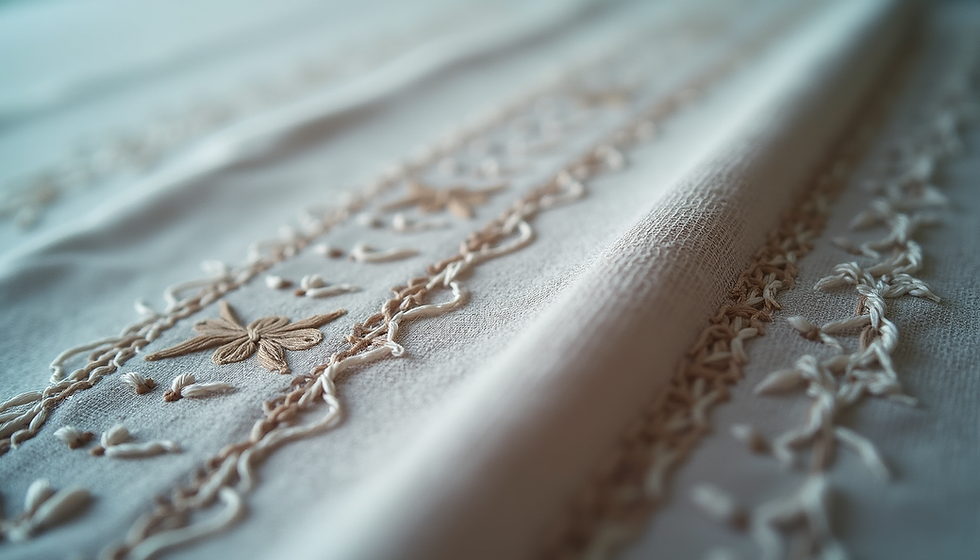
Handcrafted details: Embroidery, appliqué, and hand-painting bring artisanal charm to mass production.
These tactile innovations encourage designers to think beyond color and pattern, focusing on how fabric interacts with the body and environment. The sensory appeal of textured textiles can elevate a collection, making garments memorable and desirable.
Looking Ahead: The Future Fabric of Fashion
As the textile industry moves forward, collaboration between designers, manufacturers, and technologists becomes essential. The latest textile design trends reflect a desire to blend beauty, sustainability, and innovation seamlessly. For brands aiming to lead the market, staying informed and adaptable is key.
Rose Holding USA Inc is poised to be the go-to partner for fashion designers, helping turn textile product ideas into reality. From initial concept to finished goods, they support creativity while keeping pace with industry shifts. Together, the future of textile design is bright, bold, and boundless.
Let’s embrace this journey with open arms and curious minds... the fabric of tomorrow awaits! 🌟
For more insights on the evolving world of fabric, explore the textile design trends shaping the industry today.


Comments